Grasping Insurance Concepts: A Guide to Protecting Your Assets and Future
Understanding insurance is essential for anyone looking to protect their financial future. It provides a safety net in case of unforeseen incidents which might result in major financial setbacks. Many different forms of insurance are available, suited to various individual necessities. Yet, numerous people find it difficult deciding on the appropriate level of protection and navigating the specifics of their policy. The complexities of insurance can create uncertainty, necessitating a better grasp on how best to protect one's wealth. What factors should people weigh before making a decision?
Insurance 101: Essential Information
Coverage acts as a fiscal protective layer, protecting individuals and businesses from unforeseen risks. It is essentially an agreement connecting the policyholder and the provider, where the insured pays a premium for receiving fiscal security against specific losses or damages. At its core, insurance is about handling risk, letting policyholders pass on the weight of prospective fiscal harm to the company.
Coverage agreements detail the rules and stipulations, detailing what is covered, which situations are not covered, along with the process for submitting claims. The idea of combining funds is key to insurance; a large number of participants pay in, allowing for the funding of claims to those who incur damages. Grasping the core concepts and language is crucial for choosing wisely. In sum, coverage aims to offer security, guaranteeing that, during emergencies, people and companies are able to bounce back and maintain their prosperity.
Insurance Categories: An Extensive Look
Numerous forms of coverage are available to address the wide-ranging necessities for people and companies alike. The most popular types include health coverage, which covers medical expenses; auto insurance, protecting against vehicle-related damages; as well as property coverage, securing assets against hazards like burning and robbery. Term insurance grants fiscal safety to recipients upon the death of the policyholder, while disability insurance provides income replacement if the person is prevented from earning.
In the corporate sector, liability coverage guards from accusations of wrongdoing, and asset insurance secures physical holdings. Professional indemnity insurance, or simply errors and omissions insurance, protects professionals from claims resulting from negligence in their duties. In addition, travel insurance offers protection for unanticipated situations while traveling. All insurance policies is fundamental to handling potential dangers, helping people and companies to lessen potential economic harm and maintain stability in uncertain circumstances.
Assessing Your Insurance Needs: What Amount of Insurance Do You Require?
Determining the appropriate level of insurance protection necessitates a meticulous appraisal of asset value and potential risks. People need to evaluate their monetary standing and the assets they wish to protect to reach a sufficient level of coverage. Effective risk assessment strategies are fundamental to ensuring that one is neither underinsured nor paying extra for needless protection.
Evaluating Asset Value
Determining asset valuation is a necessary phase for figuring out the amount of insurance needed for effective insurance protection. This step entails establishing the price of private possessions, real estate, and investment portfolios. Homeowners should consider factors such as today's market situation, replacement costs, and depreciation when valuing their home. Also, people need to assess personal belongings, vehicles, and potential liability exposures connected to their property. Through creating a comprehensive list and appraisal, they can identify potential gaps in coverage. In addition, this appraisal allows individuals adjust their coverage to address particular needs, guaranteeing sufficient coverage from unanticipated incidents. In the end, correctly appraising asset value lays the foundation for sound insurance decisions and monetary stability.
Methods for Evaluating Risk
Gaining a comprehensive grasp of property valuation automatically moves to the subsequent step: evaluating insurance needs. Risk assessment strategies involve pinpointing possible hazards and figuring out the right degree of insurance required to mitigate those risks. This process begins with a comprehensive list of possessions, including homes and land, automobiles, and personal belongings, alongside an analysis of potential liabilities. One should take into account factors such as where they live, lifestyle, and risks relevant to their profession that could influence their insurance needs. In addition, reviewing existing policies and pinpointing missing protection is essential. By measuring potential risks and matching them to asset worth, it is possible to make sound judgments about the required insurance type and quantity to secure their future reliably.
Interpreting Coverage Jargon: Key Concepts Explained
Knowing the policy provisions is essential for navigating the intricacies of insurance. Core ideas like types of coverage, insurance costs, out-of-pocket limits, exclusions, and restrictions are critical factors in assessing a policy's efficacy. A solid understanding of these terms allows people to make educated choices when picking insurance choices.
Types of Coverage Defined
Coverage options offer a selection of different coverages, all created to handle particular needs and risks. Typical categories involve coverage for liability, which guards against lawsuits; coverage for property, securing tangible property; and personal injury coverage, which addresses injuries sustained by others on the policyholder's premises. Furthermore, broad coverage provides security against a broad spectrum of dangers, like natural catastrophes and stealing. Niche protections, like professional liability coverage for companies and medical coverage for people, customize the coverage further. Grasping these categories enables insured parties to pick suitable coverage based on their unique circumstances, ensuring adequate protection against possible monetary damages. Each form of protection is essential in a extensive insurance strategy, ultimately contributing to monetary safety and serenity.
Insurance Costs and Out-of-Pocket Limits
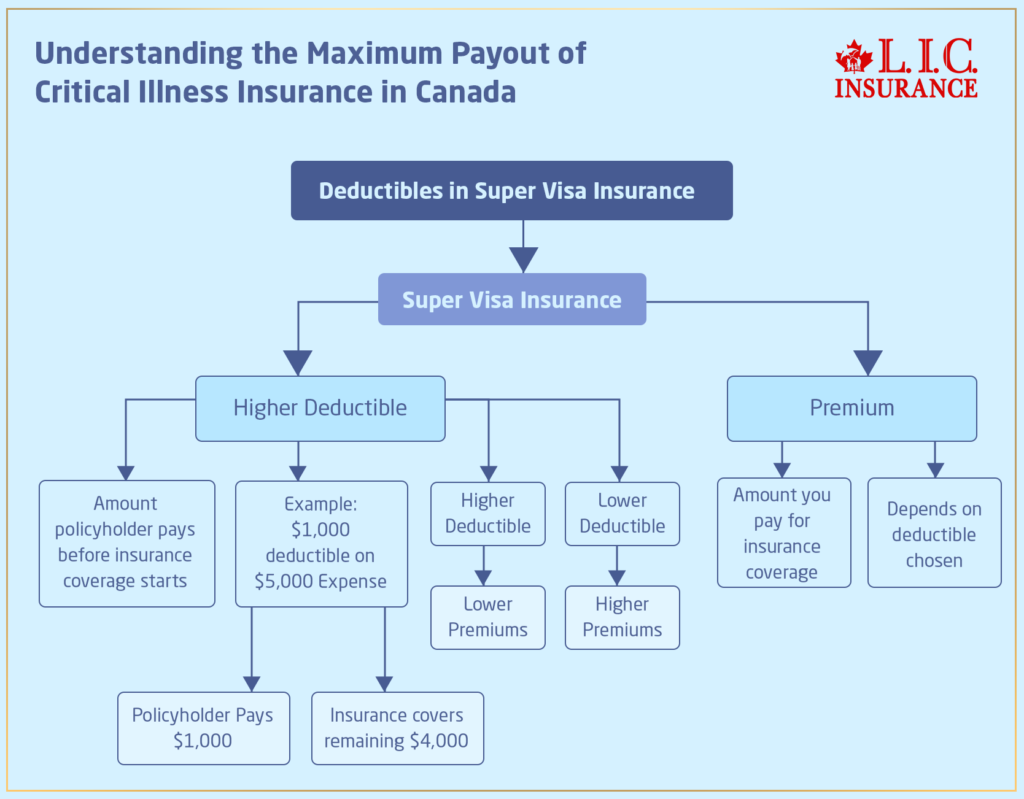
Selecting the right coverage types is just one aspect of the insurance puzzle; the financial components of premiums and deductibles significantly impact coverage choices. Premiums are the expense associated with keeping an insurance policy, typically paid monthly or annually. A higher premium often correlates with more comprehensive security or lower deductibles. In contrast, deductibles are the amounts policyholders must pay out-of-pocket before their policy protection activates. Selecting a larger deductible can lower premium costs, but it could result in more fiscal liability during claims. Understanding the balance between these two elements is vital for those aiming to secure their holdings while controlling their spending wisely. In the end, the relationship of the costs and payouts defines the overall value of an insurance policy.
Limitations and Exclusions
What elements that can limit the effectiveness of an insurance policy? The fine print within a policy specify the conditions under which coverage is withheld. Typical exclusions include prior medical issues, war-related incidents, and specific natural catastrophes. Limitations may also apply to defined benefit levels, requiring policyholders to understand these restrictions thoroughly. These elements can greatly influence payouts, as they determine what damages or losses will not be compensated. Policyholders must read their insurance contracts closely to spot these limitations and exclusions, making sure they fully understand about the scope of their protection. A clear grasp of these terms is vital for protecting one's wealth and planning for the future.
The Claims Process: Understanding the Steps When Filing
Making a claim can often be confusing, especially for those unfamiliar with the process. The first stage typically requires informing the insurance company of the incident. This can often be accomplished through a telephone call or digital platform. When the claim is submitted, an adjuster may be designated to review the situation. This adjuster will examine the specifics, gather necessary documentation, and may even inspect the location of the event.
Following the evaluation, the insurer will decide on the legitimacy of the claim and the compensation due, based on the terms of the policy. Those filing should be prepared to offer supporting evidence, such as photographs or receipts, to aid in this assessment. Staying in touch is vital throughout this process; you may have to contact with the insurer for updates. A clear grasp of the claims process allows policyholders to manage their rights and responsibilities, ensuring they receive the compensation they deserve in a prompt fashion.
Tips for Choosing the Right Insurance Provider
How does one find the right insurance provider for their circumstances? To begin, they need to determine their particular needs, taking into account elements such as the kind of coverage and budget constraints. Meticulous investigation is necessary; internet testimonials, evaluations, and testimonials can provide information about customer satisfaction and how good the service is. Furthermore, soliciting pricing from various companies makes it possible to contrast premiums and policy details.
One should also assess the financial stability and credibility of potential insurers, as this can affect their capacity to pay claims. Engaging in conversations with agents can make the terms and conditions of the policy clearer, providing clarity. Furthermore, checking for any discounts or package deals can increase the worth of the policy. Finally, getting suggestions from people you trust may lead to discovering dependable choices. By adhering to this process, individuals can make informed decisions that align with their insurance needs and budgetary aims.
Remaining Current: Ensuring Your Policy Stays Relevant
After selecting the right insurance provider, people need to stay vigilant about their coverage to make certain it addresses their evolving needs. It is crucial to check policy specifics often, as shifts in circumstances—such as getting married, buying a house, or professional transitions—can affect what coverage is needed. Individuals should schedule annual check-ins with their insurance agents to review possible modifications based on these life events.
In addition, keeping current on industry trends and changes in insurance regulations can offer useful information. This knowledge may reveal new coverage options or discounts that could enhance their policies.
Watching for competitive pricing may also help find more economical choices without reducing coverage.
Questions People Often Ask
How Are Insurance Rates Affected With Age and Location?
Insurance premiums usually rise as one gets older due to higher risk factors associated with aging people. Additionally, geographic area influences costs, as cities usually have steeper rates due to more risk from crashes and stealing compared to rural regions.
Am I allowed to alter my insurance company during the policy term?
Absolutely, people are able to switch their insurance provider mid-policy, but they must review the terms of their current policy and guarantee they have new coverage in place so they don't have lapses in coverage or associated charges.
What Happens if I Miss a insurance installment?
Should a person fail to make a scheduled installment, their policy might expire, which can cause a gap in security. The coverage might be reinstated, but could require back payments and may involve penalties or more expensive coverage.
Will existing health problems be covered in Health Insurance?
Pre-existing conditions may be covered in health plans, but the inclusion depends on the specific plan. Numerous providers enforce a waiting time or limitations, whereas some offer instant protection, emphasizing the importance of reviewing policy details thoroughly.
In what way do deductibles influence my premium expenses?
Deductibles affect the price of insurance by setting the sum a holder of the policy is required to spend before the plan begins paying. Higher deductibles refer now typically result in lower monthly premiums, and a smaller deductible causes higher payments and potentially reduced personal spending.